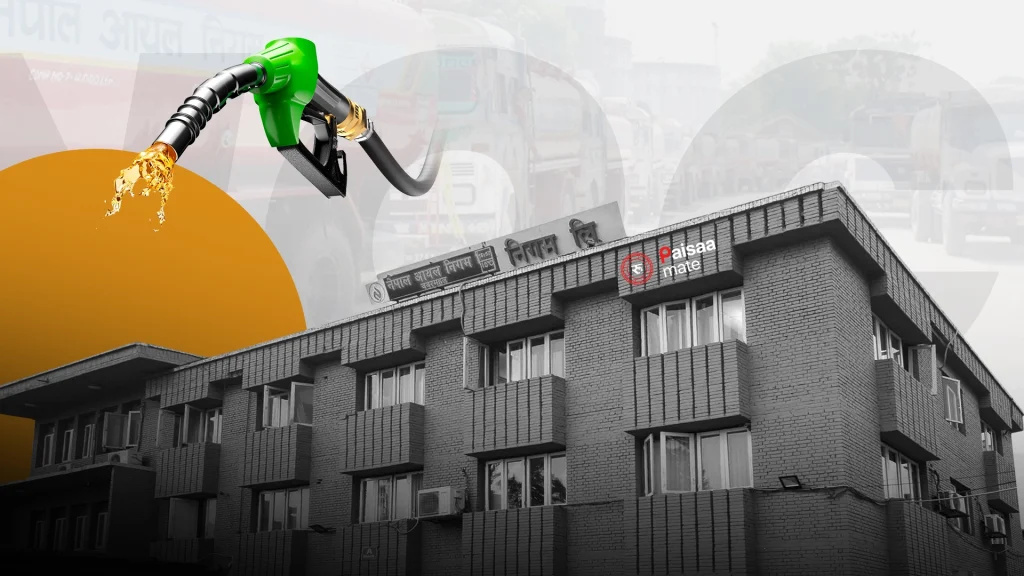
Nepal’s decision to raise petrol prices to Rs 219 per litre is not a routine economic adjustment. It is the result of years of poor planning, delayed decisions, and a government that has consistently chosen short-term convenience over protecting its own people.
Within a single month, petrol prices jumped from roughly Rs 157 in early March to Rs 219, an increase of nearly 40 percent. No external pressure alone can justify a shock of this scale. This is what happens when a government avoids difficult decisions for too long and then forces the entire burden onto ordinary citizens all at once.
Officials have blamed rising global crude prices and the ongoing conflict in the Middle East. These pressures are real. But they explain the situation, not the response. A government with proper fiscal planning would have mechanisms in place specifically to handle these kinds of shocks, spreading the cost gradually rather than dumping it all on citizens within weeks.
The Nepal Oil Corporation reporting losses of over Rs 34 per litre on petrol, with billions in losses every fortnight, tells the full story. The government did not protect consumers when it had the chance, did not build any meaningful financial buffer, and is now making the public pay for that negligence in one large, painful hit.
Bhutan imports every drop of its fuel from India, just like Nepal. It faces the same global price pressures and the same geopolitical risks. And yet petrol there costs around Nu 98 per litre, roughly equal to NPR 157, because the Bhutanese government has made a clear decision to protect its people from price volatility.
Bhutan subsidizes fuel at over Nu 16 per litre and spends nearly Nu 1.3 billion every month to keep prices stable. This is not because Bhutan is wealthier or more powerful. It is because the government there treats fuel prices as something that affects the entire economy and acts accordingly. Nepal treats fuel primarily as a source of government revenue. The difference in outcomes speaks for itself.
Both countries import fuel from India, but Bhutan has negotiated more stable supply arrangements and maintains internal price controls that reduce the direct impact of import cost swings. Nepal remains heavily reliant on the Indian Oil Corporation with little room to maneuver. When import costs rise, Nepal has little choice but to raise prices immediately just to keep payments current and avoid supply disruptions.
This reflects a deeper problem: Nepal has not invested in the diplomatic groundwork or long-term energy planning needed to reduce its vulnerability. For a landlocked country with a single fuel supplier, that is a serious and avoidable strategic weakness.
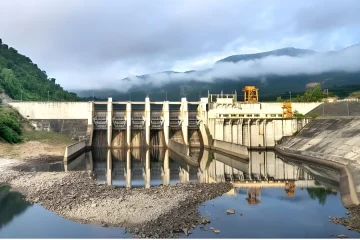
This is the part that is hardest to overlook. Nepal was not without options. During the years when global oil prices were lower, the price stabilization fund could have been built up deliberately. Fuel taxes in Nepal are among the highest in the region, and reducing them even modestly would have helped consumers without requiring heavy subsidies. Relief could have been targeted specifically at public transport and essential goods rather than applying the same blunt price hike across the board. The push toward electric vehicles, which makes particular sense for a country with significant hydroelectric capacity, could have been accelerated to reduce long-term fuel imports. None of this happened.
These were not impossible tasks. They required political will and forward thinking. The government did not demonstrate either.
The specific price of petrol will change as global markets shift. What will not change on its own is the underlying problem: Nepali citizens are fully exposed to every external economic shock with almost no protection from the state. There are no adequate buffers, no credible pricing strategy, and no serious long-term plan for energy independence.
Bhutan, a smaller and less globally connected country, has shown that this kind of protection is achievable with the right priorities. Nepal has the resources, the hydroelectric potential, and enough time to have built something better. The choice not to do so is the real story behind every price hike at the pump.